
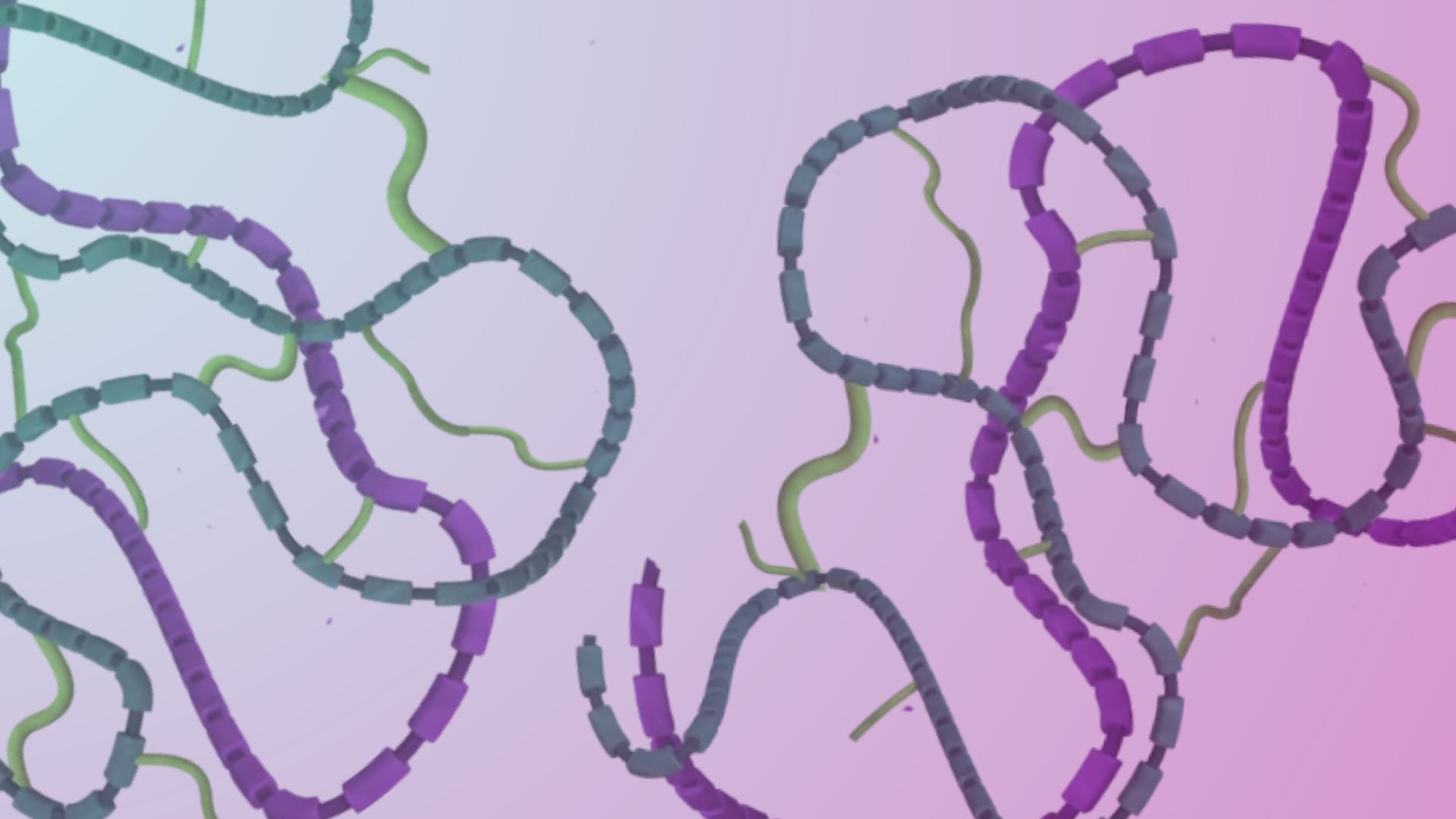

Stimuli-responsive polymers have emerged as powerful tools for controlled drug delivery, enabling the release of therapeutic agents in response to specific biological or external triggers. By exploiting signals such as pH, temperature, redox gradients, enzyme activity, light, or ultrasound, these smart materials can improve drug targeting, enhance therapeutic efficacy, and reduce systemic toxicity.
As the field continues to evolve, researchers are moving beyond single-stimulus systems toward more sophisticated multi-stimuli-responsive platforms that combine multiple triggers within a single carrier. Understanding the advantages, limitations, and applications of these different approaches is essential for designing the next generation of precision drug delivery systems
1. Why Do We Need Smarter Drug Delivery?
Conventional drug administration often suffers from limited site specificity and suboptimal pharmacokinetics. Following systemic administration, therapeutic agents are distributed across multiple tissues rather than being selectively concentrated at the pathological site. This can reduce treatment efficacy and increase unwanted side effects, particularly in conditions such as cancer, where healthy tissues may be exposed to toxic drugs alongside tumor cells. As a result, there is a growing need for delivery systems that can transport and release drugs more precisely.
Stimuli-responsive polymers, also known as smart polymers, have emerged as a promising solution to this challenge. These materials can sense biological or physical changes in their environment, such as variations in pH, temperature, redox conditions, or enzyme activity, and respond by releasing their therapeutic cargo in a controlled manner. By enabling drug release at the right place and time, smart polymers have become a key technology for improving treatment precision and reducing systemic toxicity in modern nanomedicine.
2. What Are Stimuli-Responsive Polymers?
Stimuli-responsive polymers, also known as smart polymers, are materials capable of undergoing reversible physicochemical changes in response to specific environmental cues. These changes may include alterations in solubility, swelling behavior, conformation, or chemical stability, allowing the polymer to switch from a stable state to an activated state when exposed to a predefined stimulus.
In drug delivery applications, these polymers are commonly incorporated into nanoparticles, micelles, hydrogels, or polymer–drug conjugates. Under normal physiological conditions, the carrier remains stable and protects its therapeutic cargo. However, upon encountering a specific trigger, such as acidic pH, elevated temperature, redox gradients, or enzyme activity, the polymer undergoes a structural change that promotes drug release at the target site. This ability to couple environmental sensing with controlled release makes stimuli-responsive polymers a powerful platform for precision medicine.
3. Types of Stimuli Used in drug Delivery
Stimuli-responsive polymers can be classified according to the trigger that activates drug release. These triggers may be endogenous, originating from biological characteristics of the target tissue (e.g., pH, redox gradients, or enzyme activity), or exogenous, applied externally through light, ultrasound, magnetic fields, or heat. The choice of stimulus depends on the intended application, the target site, and the desired level of control over drug release.
| Stimulus | Trigger Source | Representative Polymers | Typical Application | Limitations |
| pH | Acidic tumor microenvironment, endosomes, lysosomes |
Chitosan, PAA, PMAA, poly(histidine) |
Cancer therapy, oral drug delivery |
Small pH differences between healthy and diseased tissues, premature drug release, variability of tumor acidity, liver/spleen accumulation, limited tumor uptake. |
| Temperature |
Local hyperthermia, inflamed tissues |
PNIPAM, PEG-based thermoresponsive copolymers, Pluronics |
Controlled and localized release |
Difficult temperature control in vivo, risk of damage to healthy tissues during hyperthermia, narrow therapeutic window. |
| Redox |
Elevated intracellular glutathione (GSH) |
Disulfide-containing polymers, PEG-SS-polymers, redox-cleavable block copolymers |
Intracellular drug delivery |
Large variability in GSH levels across patients and tumor types, incomplete intracellular release, carrier stability during circulation. |
| Enzymes |
Overexpressed disease-related enzymes (e.g., MMPs, cathepsins, hyaluronidases) |
Peptide-polymer conjugates, gelatin, hyaluronic acid derivatives, enzyme-cleavable PEG systems |
Highly selective release |
Heterogeneous enzyme expression among patients, off-target activation, difficulty predicting enzymatic activity in vivo. |
| Light |
UV, visible or near-infrared (NIR) irradiation |
Azobenzene-containing polymers, spiropyran-functionalized polymers, o-nitrobenzyl polymers |
On-demand drug activation |
Limited light penetration in deep tissues, potential phototoxicity, need for specialized equipment. |
| Ultrasound |
External acoustic stimulation |
PLGA nanoparticles, PEG-PLGA micelles, sonosensitive polymer vesicles |
Deep-tissue drug delivery |
Optimization of ultrasound parameters, reproducibility, possible local tissue heating and mechanical damage. |
The wide range of available stimuli highlights the versatility of smart polymer-based drug delivery systems. However, differences in disease biology, patient-to-patient variability, and the complexity of physiological environments continue to challenge their clinical translation. These limitations have driven the development of more sophisticated platforms capable of integrating multiple triggers, enabling greater control over drug release and improved targeting specificity.
4. Multi-Stimuli Responsive Systems
While single-stimulus systems have demonstrated significant potential for controlled drug delivery, many diseases are characterized by multiple biological abnormalities occurring simultaneously. For example, tumor tissues often exhibit acidic pH, elevated glutathione levels, hypoxia, and enzyme overexpression at the same time. Multi-stimuli-responsive polymers are designed to exploit two or more of these signals, enabling an additional level of control over drug release and improving targeting specificity.
The growing interest in these systems stems from their ability to overcome several limitations associated with single-stimulus platforms. By integrating multiple biological or external cues into a single carrier, researchers can achieve more precise activation and greater therapeutic control. This approach offers several potential advantages that make multi-stimuli-responsive systems increasingly attractive for next-generation drug delivery applications:
- Improved targeting specificity by requiring multiple conditions to be met before drug release occurs.
- Reduced off-target effects and lower risk of premature release during circulation.
- Enhanced therapeutic efficacy through more selective payload delivery at the disease site.
- Better adaptation to complex disease microenvironments, particularly in cancer and inflammatory disorders.
- Greater flexibility in carrier design, allowing researchers to fine-tune release profiles according to the intended application.
| Combination | Therapeutic Advantage | Typical Application |
| pH + Redox |
Targets acidic tumor environments and elevated intracellular glutathione levels |
Cancer therapy |
| pH + Temperature |
Exploits tumor acidity and externally induced hyperthermia |
Localized chemotherapy |
| pH + Enzyme |
Combines tissue acidity with disease-specific enzyme activity |
Precision tumor targeting |
| Redox + Enzyme |
Enables intracellular release only after enzymatic activation |
Advanced nanomedicine |
| pH + Redox + Enzyme |
Multi-step activation for maximum selectivity |
Next-generation targeted therapeutics |
Despite their advantages, multi-responsive systems also face several challenges:
- More demanding polymer synthesis and characterization.
- Increased manufacturing and scale-up complexity.
- Potential interactions between different responsive mechanisms.
- Additional regulatory hurdles compared with simpler delivery systems
Nevertheless, multi-stimuli-responsive polymers are widely regarded as one of the most promising directions in smart drug delivery, as they more closely mimic the complexity of biological systems and offer greater control over the timing and location of therapeutic release.
5. The Next Generation of Smart Therapeutics
The field of stimuli-responsive polymers is rapidly evolving, driven by advances in polymer chemistry, nanotechnology, and biomaterials engineering. While current systems already offer significant improvements over conventional drug delivery approaches, several emerging trends are expected to shape the next generation of smart therapeutics.
Key developments likely to drive future innovation include:
- More sophisticated multi-stimuli-responsive systems, capable of integrating multiple biological and external triggers to achieve higher targeting specificity and tighter control over drug release.
- Personalized drug delivery platforms, designed to respond to patient-specific disease biomarkers and microenvironmental characteristics.
- Integration of targeting ligands and stimuli-responsive polymers within the same carrier, combining active targeting with controlled release mechanisms.
- Theranostic systems that combine therapeutic and diagnostic functionalities, enabling real-time monitoring of drug delivery and treatment response.
- Development of safer and more biodegradable polymer backbones, addressing concerns related to long-term accumulation and improving repeat-dosing strategies.
- AI-assisted materials discovery and polymer design, accelerating the identification of novel polymers with optimized responsiveness, biocompatibility, and manufacturing characteristics.
- Improved manufacturability and scalability, helping bridge the gap between promising laboratory results and clinically viable products.
6. Curapath Controlled Release Platform: Hyaluronate Polyglutamate Cross-Polymer (HA-CP®)
Advanced polymer engineering plays a critical role in determining drug delivery efficiency and controlled-release behavior. Beyond the therapeutic payload itself, the design of the delivery platform can significantly influence stability, tissue retention, bioavailability, and release kinetics. HA-CP® (Hyaluronate Polyglutamate Cross-Polymer) is a biodegradable crosslinked hydrogel combining hyaluronic acid (HA) and poly(glutamic acid) (PGlu) to enhance skin retention, API delivery, and formulation stability. Based on its unique three-dimensional network, HA-CP® functions both as a topical delivery platform and as a carrier for polymeric micelles containing hydrophilic or hydrophobic active ingredients.
Why HA-CP® Stands Out
The HA-CP® platform combines hyaluronic acid and poly(glutamic acid) within a biomimetic crosslinked network designed to overcome key limitations of conventional topical delivery systems. By enhancing stability, reducing enzymatic degradation, and supporting the incorporation of different classes of active ingredients, HA-CP® offers a versatile platform for advanced topical drug delivery and controlled-release applications.
• Biodegradable crosslinked hydrogel composed of hyaluronic acid, poly(glutamic acid), and lysine, engineered to provide enhanced structural stability and increased resistance to enzymatic degradation compared with conventional linear hyaluronic acid systems.
• Improved epidermal penetration, skin retention, and topical delivery performance, supporting prolonged residence time, sustained functionality, and enhanced local bioavailability after application.
• Broad formulation compatibility, enabling the incorporation of both hydrophilic APIs and hydrophobic active ingredients encapsulated in polymeric micelles, while maintaining significant formulation flexibility.
• Excellent biocompatibility and skin tolerability, combining hydration, protection, and delivery functions within a single biomimetic platform suitable for advanced topical and controlled-release applications.
By integrating structural stability, biodegradability, and formulation flexibility within a single platform, HA-CP® represents an example of how advanced polymer engineering can enhance controlled-release performance and improve the delivery of active ingredients in topical applications.
Performance Advantages
The combination of a crosslinked hydrogel architecture, enhanced stability, and formulation flexibility provides HA-CP® with several performance advantages over conventional linear hyaluronic acid-based systems:
| Property | Linear Hyaluronic Acid | HA-CP® Cross-Polymer |
| Hyaluronidase resistance | Moderate | Significantly improved |
| Skin permeation | Mainly retained in stratum corneum | Enhanced accumulation in epidermis |
| Drug carrier compatibility | Limited | Compatible with polymeric micelles and hydrogels |
| Stability | Standard | Improved structural stability |
| API versatility | Primarily hydrophilic actives | Hydrophilic and hydrophobic actives |
Potential Applications
These characteristics support the use of HA-CP® across a variety of topical and dermal drug delivery applications, particularly where prolonged skin residence, enhanced bioavailability, and controlled-release performance are desired, including:
- Topical drug delivery
- Dermal formulations
- Controlled-release topical formulations
- Delivery of hydrophilic active ingredients
- Delivery of hydrophobic payloads through polymeric micelles
- Polymeric micelle-based delivery systems
- Advanced hydrogel-based delivery platforms
- Skin hydration and skin-conditioning formulations
- Dermocosmetic products
- Biomimetic topical delivery systems
7. Conclusion
Stimuli-responsive polymers are transforming drug delivery by enabling controlled and site-specific therapeutic release in response to biological and external cues. As the field evolves, advances in polymer chemistry are not only driving the development of increasingly sophisticated smart delivery systems, but also enabling innovative controlled-release platforms tailored to specific therapeutic needs. In this context, technologies such as HA-CP® (Hyaluronate Polyglutamate Cross-Polymer) illustrate how biomimetic polymer engineering can complement stimuli-responsive approaches by improving stability, tissue retention, formulation flexibility, and delivery performance. Together, these innovations are helping pave the way toward safer, more effective, and more precise therapeutic interventions.
As smart drug delivery technologies continue to evolve, selecting the right polymer platform becomes increasingly important. At Curapath, we support developers in designing, developing, and scaling advanced polymer-based delivery systems tailored to their specific applications. From early development to GMP manufacturing of polymer-drug conjugates, our expertise helps accelerate the path toward clinical translation.